


ph90 | Exploring the Intricacy and Immersion of Simulation Games
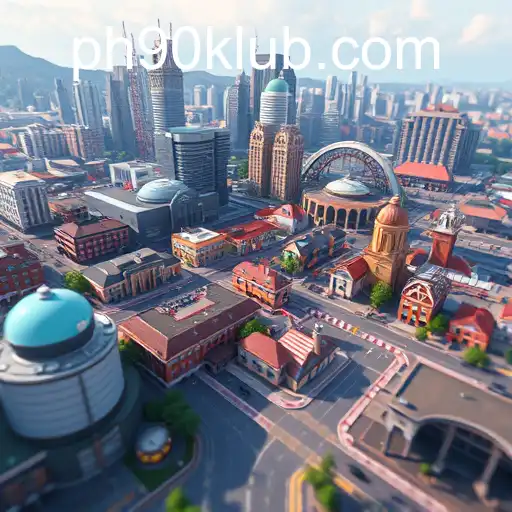
In the ever-evolving world of digital entertainment, simulation games have carved out a notable niche, captivating gamers with their immersive experiences and limitless possibilities. A simulation game, by definition, attempts to replicate real-world activities, providing players with a chance to engage in activities they might find inaccessible in their daily lives. From piloting an airplane, managing a bustling metropolis, to running a sprawling farm, the genre offers a wide range of experiences that appeal to diverse tastes and interests.
The allure of simulation games lies in their ability to mimic reality with impeccable detail, often blurring the lines between the virtual and the real. These games provide a sandbox environment where players can experiment with different strategies, make consequential decisions, and witness the implications of their actions unfold in real-time. Whether you are honing your leadership skills in a city-builder game or exploring the depths of space as an astronaut, the educational and entertainment value of these games cannot be overstated.
One of the key reasons for the popularity of simulation games is their accessibility and appeal to a broad audience. Unlike conventional video games that may rely on fast reflexes or intricate combat systems, simulation games usually prioritize strategic thinking and problem-solving skills. This opens up the genre to an audience who might not traditionally consider themselves gamers. Additionally, the calming yet engaging nature of simulation games offers an escape from the pressures of daily life, allowing players to unwind while still feeling productive.
The keyword "ph90" comes into play when considering the expansive catalog available on gaming platforms. These identifiers often help enthusiasts locate particular simulation games that have piqued their interest or hold sentimental value. With the gaming landscape constantly growing, discovering new games with unique themes can be both enriching and exhilarating for players seeking new adventures.
Many developers have identified the potential in simulation games to provide educational benefits alongside entertainment. Games like "SimCity" or "Flight Simulator" offer real-world insights that can enhance a player's understanding of urban planning or aviation, respectively. This intersection of gaming and learning makes simulation games a distinctive genre, capable of contributing to personal growth and knowledge acquisition.
As simulation games continue to evolve, they will undoubtedly explore new dimensions and ideas, offering players fresh and captivating experiences. The next frontier might include even greater integration of virtual or augmented reality, pushing the boundaries of immersion and authenticity. As technology progresses, so too will the opportunities for simulation games to captivate and educate, ensuring their place as a beloved mainstay within the gaming community.
